
The Ultimate Guide to Healing Dry Cracked Heels for Good
Are your heels so dry and cracked that every step feels uncomfortable, making you hesitant to wear open shoes or walk barefoot? I’ve been there, and I know how stubborn and frustrating this problem can feel-but you don’t have to live with it any longer.
In this guide, I’ll share a clear, practical plan to heal your heels completely, starting with identifying the root causes, easy at-home treatments, and simple habits to prevent cracks from returning.
Understanding Dry Cracked Heels: Root Causes and Risk Factors
Common Contributing Factors to Heel Fissures
If you’ve ever winced while walking barefoot or felt that familiar sting, you’re not alone. I’ve found that cracked heels often stem from everyday habits and environmental triggers. Your skin naturally loses moisture, but certain factors speed up this process, leaving heels parched and prone to splitting.
- Prolonged standing or walking on hard surfaces, which increases pressure on the heel pad.
- Wearing open-back shoes or sandals that fail to support and protect the heel area.
- Exposure to dry, low-humidity climates or frequent hot showers that strip natural oils.
- Aging, as skin becomes less elastic and produces fewer moisturizing lipids over time.
- Being overweight, which places extra stress on the feet and can thicken the skin.
Beyond that, using harsh soaps or neglecting regular foot care can worsen the problem. I always remind friends that small changes, like switching to supportive footwear, make a big difference.
When Cracked Heels Signal Underlying Health Issues
Sometimes, stubborn cracks aren’t just about dry skin-they can hint at deeper health concerns. If home treatments don’t bring relief, it’s wise to consider if your body is sending a signal. I’ve learned through research that certain conditions reduce the skin’s ability to heal and retain moisture.
- Diabetes: High blood sugar can lead to nerve damage and poor circulation, making feet vulnerable to cracks and infections.
- Hypothyroidism: Slowed metabolism may cause dry, thickened skin on the heels and elsewhere.
- Eczema or psoriasis: These inflammatory skin disorders often target the feet, causing flaking and fissures.
- Nutritional deficiencies: Low levels of zinc, omega-3 fatty acids, or vitamins can impair skin repair.
If your heels remain painful, bleed, or show signs of infection, consult a healthcare provider to rule out these issues. Addressing the root cause can transform your skin health from the inside out.
Effective Cracked Heel Treatment Methods at Home
Natural Remedies for Cracked Heels
Turning to nature’s pantry offers gentle, effective ways to soothe and heal your heels. I’ve tested many options and found that simple ingredients can deliver impressive results without harsh chemicals. These remedies work by locking in moisture and promoting skin regeneration.
- Coconut oil: Its fatty acids penetrate deeply to soften and protect against further cracking.
- Raw honey: Apply as a mask to harness its antibacterial and humectant properties, drawing moisture into the skin.
- Oatmeal soaks: Ground oatmeal mixed with warm water creates a comforting bath that exfoliates and calms irritation.
- Shea butter: Rich in vitamins A and E, it forms a protective barrier to prevent moisture loss overnight.
- Aloe vera gel: Fresh gel from the plant cools inflammation and accelerates healing of minor cracks.
Mixing a few drops of essential oils like lavender or tea tree can boost benefits, but always do a patch test first to avoid reactions. For headaches and migraines, some of the best oils include lavender, peppermint, and eucalyptus, which may help when inhaled or applied diluted to the temples or neck. If headaches are severe or frequent, consult a healthcare professional before use.
Step-by-Step Overnight Heel Repair Routine
Consistency is key to banishing cracked heels for good. I rely on this nightly ritual to wake up with softer, smoother feet. It takes just 10 minutes but delivers lasting relief by working while you sleep.
- Soak your feet in warm water with a tablespoon of Epsom salt for 5-10 minutes to relax and soften dead skin.
- Gently exfoliate with a pumice stone or foot file, focusing on rough patches without scrubbing too hard.
- Pat feet dry and apply a thick layer of moisturizer-I prefer a blend of shea butter and coconut oil for intense hydration.
- Slip on a pair of breathable cotton socks to lock in the moisture and prevent rubbing on sheets.
- Repeat this routine every night for at least a week, then reduce to 2-3 times weekly for maintenance.
Sticking to this plan can visibly reduce cracks in as little as three days. Pair it with daytime hydration sprays for all-day comfort.
Essential Foot Care Tips for Long-Term Heel Health
Daily Moisturizing and Protection Strategies
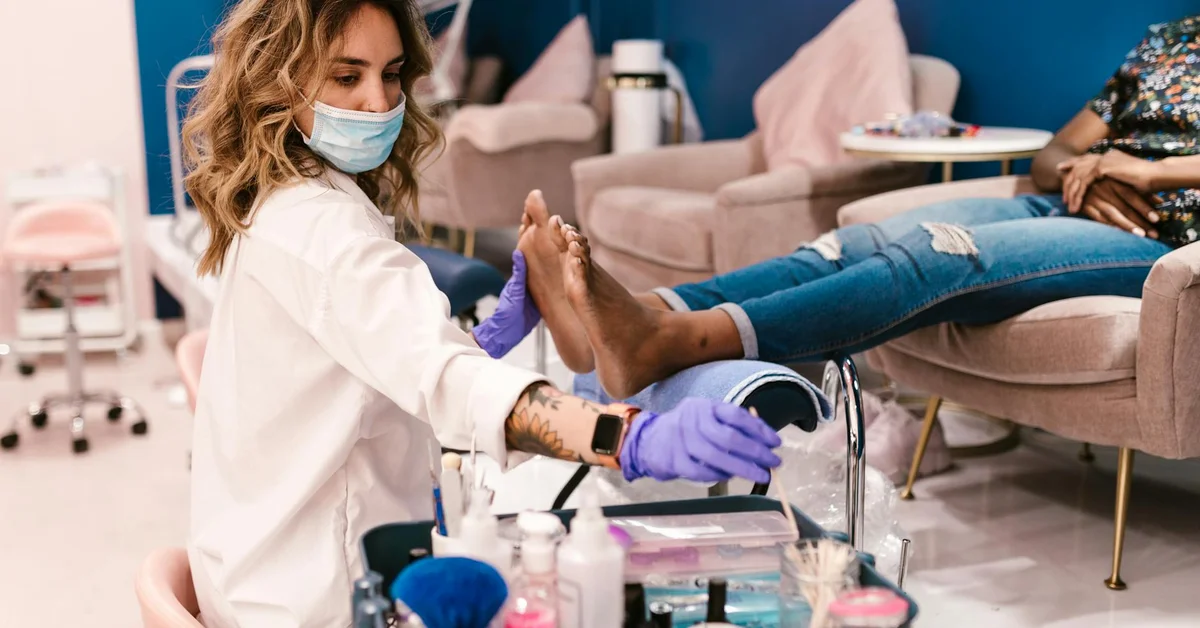
When your heels feel like sandpaper, a consistent moisturizing routine can transform them. I’ve learned that timing and product choice make all the difference. Always apply a rich, emollient cream right after you bathe or shower-this locks in moisture while your skin is still slightly damp. Look for formulations with urea or lactic acid; these ingredients gently exfoliate while hydrating, breaking down that stubborn, thickened skin.
For overnight repair, slather on a thick layer of cream and slip into a pair of breathable cotton socks. This creates a mini greenhouse effect, allowing the product to penetrate deeply. Here’s a simple evening ritual I swear by:
- Wash feet with a mild, soap-free cleanser.
- Pat dry, paying extra attention to the spaces between toes.
- Massage in a heel-specific balm or ointment for at least one minute.
- Cover with socks and leave on through the night.
During the day, reapply a lighter lotion if you’ll be wearing closed shoes. Protecting your heels means shielding them from friction and environmental stressors. Consider using a silicone heel sleeve or padded insoles in your shoes to reduce impact and rubbing. If you’re active or on your feet often, a quick midday moisturizing session can prevent that tight, dry feeling from setting in.
Footwear and Lifestyle Adjustments
Your shoe choices silently shape your heel health. I always remind friends that open-back shoes, like flip-flops or clogs, expose your heels to constant air and abrasion, speeding up moisture loss. Instead, opt for well-fitting, supportive footwear with a cushioned sole. Shoes made from natural materials, such as leather, allow your feet to breathe while providing stability.
Beyond shoes, small daily habits add up. Staying hydrated supports skin elasticity from the inside out—aim for at least eight glasses of water daily. If your job involves prolonged standing, take short breaks to sit and elevate your feet. These small habits fit naturally into a gentle, natural body care routine that supports skin and foot health. Here are adjustments I’ve found most effective:
- Rotate between different pairs of shoes to vary pressure points.
- Wear moisture-wicking socks to keep feet dry and reduce irritation.
- Avoid walking barefoot on hard surfaces, especially at home.
- Incorporate foot stretches into your morning routine to improve circulation.
Simple changes, like placing a small rug by your bed or using a footrest at your desk, can minimize strain. Your heels thrive when they’re consistently supported and not subjected to harsh, dry environments.
Advanced Treatment Options for Severe or Painful Deep Cracked Heels
Treating Bleeding or Infected Heel Fissures
Deep cracks that bleed or show signs of infection-redness, swelling, or pus-require immediate, gentle care. I know how alarming this can feel, but acting quickly prevents complications. Start by cleansing the area with a mild saline solution or diluted antiseptic; avoid harsh soaps that could further irritate the skin. Pat dry gently and apply an over-the-counter antibiotic ointment to ward off bacteria.
Cover the fissure with a sterile, non-stick bandage to protect it from dirt and friction. Change the dressing daily, and monitor for any increase in pain or spreading redness. If you notice these warning signs, it’s time to consult a healthcare provider. For home care, try this soothing soak to promote healing:
- Fill a basin with warm water and add a handful of Epsom salt.
- Soak your feet for 10-15 minutes to soften skin and reduce inflammation.
- Gently pat dry and apply a medicated cream containing higher concentrations of urea (like 40%).
- Wrap your heel in a clean cloth or use a hydrocolloid dressing to maintain moisture.
Never attempt to cut away deep cracks yourself, as this can lead to further injury or infection. Instead, focus on keeping the area clean and moisturized until professional help is available.
Professional Podiatry Treatment Approaches
When home remedies aren’t enough, a podiatrist offers targeted solutions that bring lasting relief. I’ve seen how professional debridement-the careful removal of thick, dead skin-can instantly reduce pain and allow moisturizers to work more effectively. This in-office procedure is quick and painless, using sterile tools to trim away calluses without damaging healthy tissue.
Podiatrists might prescribe stronger topical treatments, such as prescription-strength urea creams or corticosteroid ointments for inflamed cracks. In some cases, they recommend custom orthotics to correct gait issues that contribute to heel pressure. Here’s what you can expect from a typical visit:
- A thorough assessment of your foot structure and walking pattern.
- Debridement to smooth out deep fissures and calluses.
- Guidance on specialized footwear or inserts.
- Possible use of medical adhesives or skin glue to seal painful cracks.
For persistent problems, treatments like laser therapy or chemical peels might be suggested to stimulate skin regeneration. Seeking professional care ensures that underlying causes, such as biomechanical issues or medical conditions, are properly addressed. Good blood flow to the legs and feet helps wounds heal faster and reduces pain or swelling. Your clinician can recommend circulation-improving strategies—such as exercise, leg elevation, compression, or a vascular evaluation—alongside skin treatments. Don’t hesitate to ask questions—I always encourage being proactive about your foot health to prevent future flare-ups.
Frequently Asked Questions
Best Cream for cracked heels
When selecting a cream for cracked heels, look for products with high concentrations of moisturizing and exfoliating agents like urea (20-40%) or lactic acid. These ingredients help break down thick, dead skin while deeply hydrating, promoting faster healing and preventing further cracking. Avoid creams with alcohol or fragrances that can dry out the skin further.
Apply the cream generously to clean, dry feet, focusing on the heels, and cover with cotton socks overnight to enhance absorption. For best results, use consistently as part of your daily foot care routine, and consider consulting a pharmacist or podiatrist for personalized recommendations based on your skin’s needs.
Liquid bandage for cracked heels
A liquid bandage can be an effective solution for sealing painful, deep cracks to protect them from dirt, bacteria, and further irritation. It forms a flexible, waterproof barrier over the fissure, which helps reduce pain and prevents infection while allowing the skin to heal underneath. This is especially useful if your cracks are bleeding or too sensitive for regular bandages.
Before applying, clean the area with a mild antiseptic and let it dry completely. Use the liquid bandage as directed, typically by brushing it on in thin layers, and reapply every few days or as needed. Avoid using it on infected cracks, and seek medical advice if you experience increased redness or swelling.
How to heal cracked feet overnight, dry, cracked feet with cuts
To address cracked feet with cuts overnight, start by gently cleansing the area with warm water and a mild, soap-free cleanser to avoid irritation. Pat dry carefully, then apply an antibacterial ointment to any cuts to prevent infection before following with a thick, healing balm containing ingredients like petrolatum or zinc oxide to soothe and protect the skin. The same gentle care applies to dry, cracked hands — a simple DIY hand scrub made from sugar and coconut oil can exfoliate rough skin while the coconut oil helps lock in moisture. After scrubbing, rinse and pat dry, then seal in hydration with extra coconut oil or a rich hand cream.
Wrap your feet in sterile gauze or use adhesive bandages for cuts, then slip on breathable cotton socks to lock in moisture and minimize friction. Avoid aggressive exfoliation or soaking if cuts are present, and if pain or signs of infection persist, consult a healthcare provider for proper treatment.
Your Path Forward
Healing your dry, cracked heels is a journey built on small, consistent steps. I’ve found that combining daily moisturizing with gentle exfoliation and protective footwear makes all the difference. Your feet carry you everywhere-they absolutely deserve this level of attentive care.
You now have the knowledge and the simple, effective strategies to make softer, smoother, healthier feet your new reality. Be patient with your progress and kind to yourself; every step you take is now a step toward greater comfort.
Further Reading & Sources
- How to heal cracked heels – Mayo Clinic
- Cracked Heels: Causes, Symptoms & Treatment | The Feet People Podiatry
- Podiatrist-Recommended Solutions for Cracked Heels | Joel D Foster DPM PC
- How to care for dry, cracked heels
Johnson
John is an expert in Home and Wellness with over 10 years of experience. This bio will appear on the author box of every article.