Natural Ways to Reduce the Appearance of Cellulite
Do you ever catch a glimpse of your skin and feel a pang of frustration over those stubborn dimples?
I’ve sifted through the science to bring you straightforward, natural strategies that really work. In this guide, you’ll find dietary adjustments to improve skin texture, effective exercises to firm and tone, and simple self-care habits you can start today.
Body-Based Techniques to Minimize Cellulite Appearance
Dry Brushing for Lymphatic Support
I’ve found that dry brushing is a simple, soothing ritual that can make a noticeable difference in skin texture. This technique involves using a natural bristle brush on dry skin to stimulate your lymphatic system-your body’s natural waste-removal network. When your lymph flows smoothly, it helps reduce fluid retention that can make dimpled skin more visible.
Here’s how I recommend incorporating dry brushing into your routine:
- Use a brush with natural, firm bristles and always brush toward your heart.
- Start at your feet and use long, gentle strokes on limbs, circular motions on your torso.
- Brush for about 5 minutes before showering, ideally in the morning.
- Follow with a cool rinse to invigorate circulation and pat your skin dry.
Consistency is more important than pressure-over time, your skin may feel softer and look more even.
Massage and Foam Rolling Methods
Targeted massage and foam rolling can help break up those stubborn fibrous bands beneath your skin. I love how these methods not only feel relaxing but also encourage blood flow to the area, which may help plump up the skin’s surface.
Try these approaches a few times a week:
- Manual massage: Use your knuckles or a massage tool to knead areas with cellulite in circular motions for 5-10 minutes.
- Foam rolling: Lie on a foam roller and gently roll over your thighs and hips, pausing on any tight spots to release tension.
- Cupping therapy: Silicone cups create a suction that lifts tissue, potentially smoothing the skin-move them in gliding motions for a few minutes daily.
Remember, be patient and gentle; aggressive pressure can cause bruising.
Natural Topical Scrubs and Applications
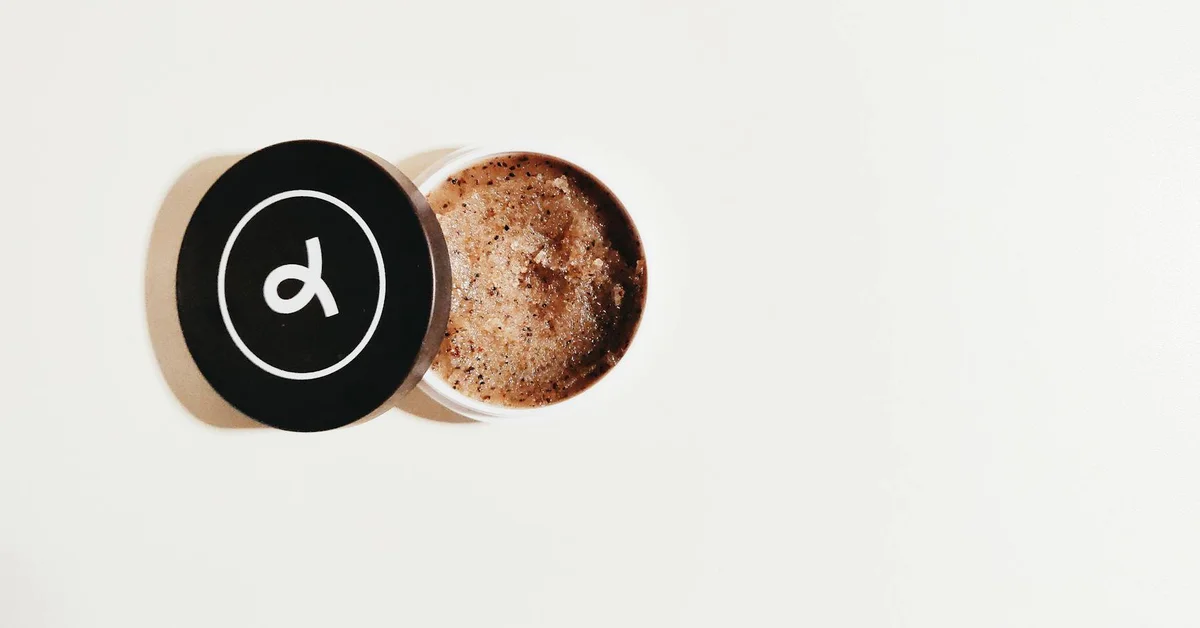
Creating your own scrubs at home lets you control the ingredients and avoid harsh chemicals. I’ve experimented with several recipes, and the key is to use components that exfoliate and may temporarily tighten the skin. This ultimate DIY body scrub recipe focuses on natural exfoliants and nourishing oils to help reveal glowing skin. Below you’ll find a simple recipe and tips to make a scrub that boosts radiance and smooths texture.
My favorite scrub combines coffee grounds, coconut oil, and a dash of cinnamon:
- Mix ½ cup used coffee grounds with 2 tablespoons melted coconut oil.
- Add 1 teaspoon cinnamon for its stimulating properties.
- Gently massage onto damp skin in circular motions for 2-3 minutes.
- Rinse with warm water-this can leave your skin feeling firmer and more radiant.
Other options include sugar scrubs with olive oil or sea salt blends with essential oils like grapefruit. These scrubs work by sloughing off dead cells and may improve microcirculation for a smoother look. For a rejuvenating DIY option, try a coffee body scrub — the grounds exfoliate while caffeine may temporarily firm and brighten the skin, making it a popular choice for cellulite-prone areas. Mix used coffee grounds with a carrier oil and massage in gentle circular motions to exfoliate and stimulate circulation.
Dietary Approaches to Support Skin Firmness
Collagen and Anti-Inflammatory Foods
What you eat plays a huge role in your skin’s resilience. I focus on foods that boost collagen-the protein that keeps skin firm-and reduce inflammation, which can worsen the appearance of lumpy skin.
Incorporate these into your meals regularly:
- Collagen-rich sources: Bone broth, chicken skin, fish with skin, and egg whites.
- Collagen-supporting nutrients: Vitamin C from citrus fruits and bell peppers, zinc from nuts and seeds.
- Anti-inflammatory powerhouses: Berries, leafy greens, turmeric, and fatty fish like salmon.
From my experience, a diet high in these foods can help your body rebuild supportive tissues from the inside out.
Hydration and Reduced Sodium Strategies
Staying well-hydrated is one of the easiest ways to support skin elasticity and flush out toxins. When you’re dehydrated, skin can look more sunken and cellulite more pronounced. Plus, cutting back on sodium helps prevent water retention that puffs up those dimples.
Here’s how to make hydration and low-sodium eating work for you:
- Aim for 8-10 glasses of water daily-add slices of lemon or cucumber for flavor.
- Eat water-rich foods like cucumbers, watermelon, and celery.
- Read labels to avoid hidden sodium in processed snacks, canned soups, and condiments.
- Season meals with herbs, garlic, or lemon juice instead of salt.
I’ve noticed that even small changes here can lead to smoother, more supple skin within a few weeks.
Exercise and Movement for Toning Cellulite-Prone Areas
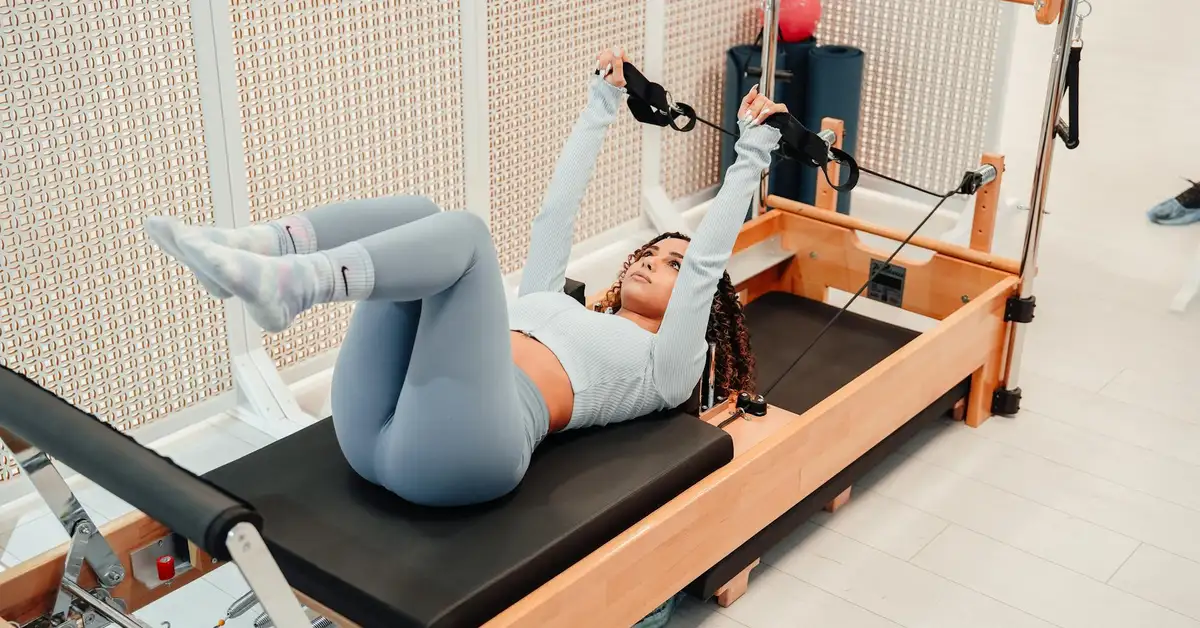
When you’re aiming to smooth the skin’s texture, movement is one of your most powerful allies. I’ve found that a thoughtful combination of targeted strength work and consistent cardio creates the best environment for your body to tone up and improve circulation.
Strength Training for Thighs and Legs
Building lean muscle underneath the skin provides a firmer foundation, which can make a visible difference. Focus on exercises that engage the largest muscle groups in your lower body.
- Bodyweight Squats: A fundamental movement that fires up your glutes, quads, and hamstrings. Keep your weight in your heels and lower down as if sitting in a chair.
- Lunges: These are fantastic for targeting each leg individually, helping to correct muscle imbalances. You can do them stepping forward, backward, or to the side.
- Glute Bridges: Lie on your back with knees bent and lift your hips toward the ceiling. This directly strengthens the glutes, which support the entire back of the leg.
- Curtsy Lunges: By crossing one leg behind the other, you engage the inner and outer thighs more intensely than with a standard lunge.
Cardio and Circulation-Boosting Activities
Getting your blood pumping is non-negotiable. Improved circulation helps deliver nutrients to the skin and carry away waste products that can contribute to that dimpled look. This is especially important for the legs and feet, where blood can pool and cause swelling or discomfort. Simple habits—walking, calf raises, or elevating your feet—can help improve circulation in those areas. Best choice: “legs and feet” — concise, directly targets the area (3 words). Alternatives: “improve circulation in those areas” (5 words) — more descriptive. “help improve circulation” (3 words) — action-oriented.
- Brisk Walking: It’s gentle on the joints but incredibly effective at getting your heart rate up. Try incorporating hills or intervals of faster walking.
- Cycling: Whether on a stationary bike or out on the road, the continuous motion is excellent for thigh and glute endurance and blood flow.
- Jump Rope: A short session of jumping rope is a powerhouse for cardiovascular health and lymphatic stimulation.
- Swimming: The water provides natural resistance for a full-body workout while the hydrostatic pressure can be wonderfully soothing and help with circulation.
Lifestyle Habits and Supportive Wellness Practices
What you do outside of your workouts matters just as much. These daily rituals support your body’s natural processes and contribute to healthier-looking skin from the inside out.
- Stay Hydrated: Your skin is the last organ to receive the water you drink. When you’re well-hydrated, your skin cells are plumper, which can make imperfections less noticeable.
- Dry Brushing: Before you shower, use a natural bristle brush to gently stroke your skin toward your heart. I love the tingling sensation, and it’s a simple way to stimulate lymph flow and exfoliate.
- Wear Comfortable Clothes: Tight clothing, especially around the thighs and waist, can restrict circulation. Opt for breathable fabrics that allow your body to move freely.
- Manage Stress: High cortisol levels can encourage fat storage in problematic areas. Find a few minutes each day for deep breathing, meditation, or simply sitting in silence.
Frequently Asked Questions

Natural ways to reduce the appearance of cellulite overnight
While cellulite reduction typically requires consistent effort, you can temporarily minimize its appearance overnight by focusing on hydration and circulation. Drink a glass of water before bed and consider sleeping on your back to prevent fluid from pooling in certain areas, which can make dimples less noticeable by morning. Similarly, for quick relief from everyday annoyances, simple tricks can work almost instantly. For example, holding your breath briefly or sipping cold water can often get rid of hiccups in seconds.
You might also try a quick, natural topical treatment like applying a mixture of egg whites and a few drops of lemon juice to the skin, as this can have a temporary firming effect. Avoid salty foods in the evening to reduce water retention, and ensure you get quality sleep to support overall skin health. If a persistent cough is keeping you up at night, it can disrupt that sleep and impair skin repair, so it’s worth addressing. Simple measures like elevating your head or using a humidifier may help reduce nighttime coughing.
How to reduce cellulite in a week
To see noticeable improvements in a week, combine daily habits that boost circulation and reduce inflammation. Start each day with a glass of warm water and lemon to aid detoxification, and incorporate activities like brisk walking or cycling to enhance blood flow to affected areas. Complement these habits with a simple natural body care routine—gentle exfoliation, nourishing oils or creams, and light self-massage—to support circulation and soothe the skin. Consistency will help the lifestyle and topical care work together for better results.
Focus on eating whole foods like leafy greens, berries, and omega-3-rich seeds, while avoiding processed items and excess sugar. Consistency with these steps can lead to smoother-looking skin as your body flushes out toxins and inflammation decreases.
Natural ways to reduce the appearance of cellulite at home
At home, you can use simple tools and ingredients to support skin texture, such as taking contrast showers by alternating warm and cool water to stimulate circulation. This can help tighten the skin temporarily and improve lymphatic flow without specialized equipment.
Another effective method is using a self-massage technique with a few drops of essential oils like juniper or cypress mixed with a carrier oil, as these may help break down fatty deposits. Pair this with staying active through household chores or stretching to keep muscles engaged and promote a firmer appearance over time.
Your Journey to Smoother Skin
You now have a collection of gentle, natural strategies to help smooth the skin’s texture. From dry brushing and targeted massage to staying hydrated and nourishing your body, these steps work in harmony to support your skin’s health from the inside out. Keeping bath towels soft and fluffy complements these practices by providing a gentle, non‑abrasive way to dry and pamper your skin. Simple towel care—like washing with mild detergent, skipping heavy fabric softeners, and fully drying—helps keep them plush and skin‑friendly.
Be patient and kind to yourself on this journey. Consistency with these loving rituals is your most powerful tool. Celebrate your body for all it does, and let these practices be an act of self-care, not just a pursuit of change.
Further Reading & Sources
- How to Get Rid of Cellulite: 6 Natural Treatments – Dr. Axe
- 8 ways to naturally reduce the appearance of cellulite
- 4 natural ways to reduce cellulite | Nuffield Health
- Getting Rid of Cellulite: Natural Remedies for Smoother Legs
Johnson
John is an expert in Home and Wellness with over 10 years of experience. This bio will appear on the author box of every article.
